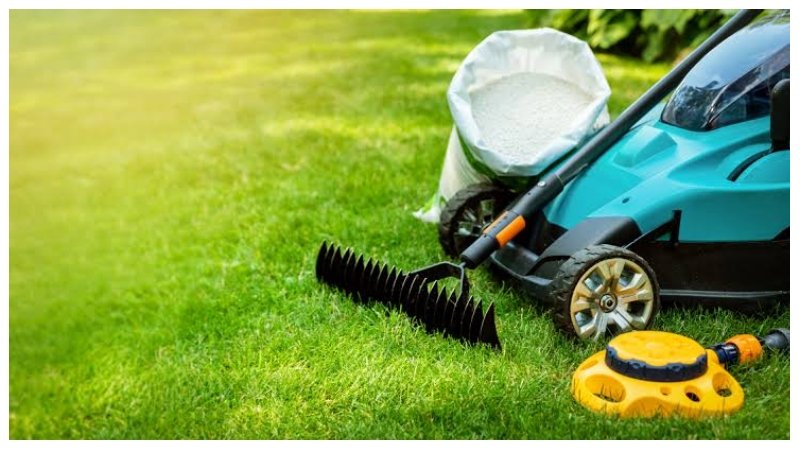
A healthy lawn does more than improve curb appeal. It creates a welcoming outdoor space, increases property value, and gives homeowners and businesses a relaxing environment to enjoy throughout the year. Professional lawn care services can make a major difference when it comes to maintaining healthy grass, controlling weeds, and improving landscape appearance. Companies like Always Green Landscaping help property owners achieve beautiful outdoor spaces through expert mowing, edging, fertilization, and landscape maintenance services.
Whether you own a residential property or manage a commercial space, proper lawn maintenance requires planning, consistency, and the right techniques. From seasonal fertilization to effective mowing practices, understanding the basics of lawn care can help you maintain a vibrant landscape in every season.
Understand Your Lawn’s Needs
Every lawn is different. Grass type, soil condition, climate, and sun exposure all play important roles in determining what your yard needs to thrive. Many homeowners make the mistake of treating every lawn the same way, but customized care produces much better results.
Warm-season grasses, which are common in Myrtle Beach and surrounding coastal areas, thrive in hot weather and require proper watering and fertilization during peak growing seasons. Soil testing is also important because it reveals nutrient deficiencies that can prevent healthy growth.
A professional lawn care company can evaluate your landscape and recommend the best maintenance schedule based on your property’s unique conditions. This includes mowing frequency, irrigation planning, weed control treatments, and fertilization timing.
Mowing Correctly Makes a Big Difference
Mowing may seem simple, but improper mowing practices can seriously damage your lawn. Cutting grass too short weakens the roots and increases stress during hot weather. It can also encourage weed growth and make your lawn more vulnerable to disease.
To maintain healthy grass:
- Avoid cutting more than one-third of the grass blade at a time
- Keep mower blades sharp
- Change mowing patterns regularly
- Mow consistently during growing seasons
- Leave grass clippings when appropriate to add nutrients back into the soil
- Professional mowing services ensure your lawn is cut evenly and maintained at the proper height throughout the year. Edging around sidewalks, driveways, and flower beds also creates a clean and polished appearance.
Watering the Right Way
One of the most common lawn care mistakes is overwatering. Too much water can lead to shallow roots, fungal diseases, and wasted resources. On the other hand, underwatering causes grass to dry out and lose its color.
Lawns typically need around one inch of water per week, including rainfall. Deep and infrequent watering encourages roots to grow deeper into the soil, making grass stronger and more drought-resistant.
Early morning watering is usually best because it reduces evaporation and gives grass time to dry before evening. Smart irrigation systems can also help regulate water usage and improve efficiency.
For larger commercial properties, irrigation planning becomes even more important. Properly installed sprinkler systems help maintain consistent coverage while minimizing water waste.
Fertilization Improves Lawn Health
Fertilization provides essential nutrients that help grass grow thick, green, and healthy. Nitrogen, phosphorus, and potassium are the primary nutrients lawns need, but the right balance depends on soil conditions and grass type.
Applying fertilizer at the wrong time can reduce effectiveness or even damage your lawn. Seasonal fertilization schedules are important because grass needs different nutrients during different growth stages.
Spring fertilization encourages healthy growth after winter dormancy. Summer treatments help maintain color and strength during heat stress, while fall fertilization supports root development and prepares grass for cooler months.
Professional lawn care providers use high-quality fertilizers and apply them at the correct times for optimal results. They also understand how to avoid over-fertilization, which can lead to excessive growth and environmental runoff.
Weed Control Protects Your Lawn
Weeds compete with grass for nutrients, sunlight, and water. Without proper control, weeds can quickly spread and damage the appearance of your lawn.
Common weeds found in coastal South Carolina include crabgrass, dandelions, clover, and broadleaf weeds. Preventative treatments are often more effective than trying to eliminate established weeds later.
Healthy lawns naturally resist weed growth because thick grass leaves little room for invasive plants to spread. Regular mowing, fertilization, and proper watering all contribute to weed prevention.
Professional weed control services use targeted treatments that eliminate weeds without harming healthy grass. These treatments can include pre-emergent applications to stop weeds before they grow and post-emergent treatments for active infestations.
Landscape Design Adds Beauty and Function
A beautiful lawn is only one part of an attractive outdoor space. Landscape design helps create a balanced environment that combines aesthetics, functionality, and comfort.
Professional landscape design can include:
Flower bed installation
Shrub and tree placement
Decorative stone or mulch features
Outdoor lighting
Walkways and borders
Seasonal color enhancements
Drainage improvements
Thoughtful landscaping increases curb appeal and creates inviting outdoor areas for relaxing or entertaining guests. Commercial properties also benefit from professional landscaping because well-maintained exteriors leave strong first impressions on customers and visitors.
A professionally designed landscape should complement the architecture of the property while remaining easy to maintain. Choosing plants that thrive in the local climate also reduces maintenance requirements and improves long-term health.
Seasonal Lawn Care Matters
Lawns require different care strategies throughout the year. Seasonal maintenance keeps your grass healthy and prevents common problems before they become serious.
Spring Lawn Care
Spring is the time to prepare your lawn for active growth. Key tasks include:
- Removing debris and dead grass
- Applying fertilizer
- Starting weed prevention treatments
- Inspecting irrigation systems
- Aerating compacted soil if necessary
- Spring maintenance creates a strong foundation for healthy summer growth.
Summer Lawn Care
Hot weather places additional stress on grass. During summer, focus on:
- Proper watering schedules
- Raising mowing height slightly
- Monitoring for pests and disease
- Spot-treating weeds
- Avoiding heavy foot traffic during extreme heat
- Consistent maintenance helps lawns remain green even during high temperatures.
Fall Lawn Care
Fall is one of the most important seasons for strengthening grass roots. Lawn care tasks often include:
- Fertilization
- Overseeding thin areas
- Leaf removal
- Soil conditioning
- Final mowing adjustments
- Preparing lawns in fall improves their ability to recover quickly in spring.
Winter Lawn Care
Even though grass growth slows during winter, maintenance still matters. Avoid excessive foot traffic on dormant lawns and keep landscapes clean to reduce disease risks.
Commercial properties may also need winter landscaping services to maintain a professional appearance year-round.
The Importance of Aeration
Soil compaction can prevent water, oxygen, and nutrients from reaching grass roots. Aeration helps loosen compacted soil by creating small holes throughout the lawn.
Aeration improves:
Root growth
Water absorption
Nutrient delivery
Fertilizer effectiveness
Overall lawn health
Lawns with heavy foot traffic or clay soil often benefit the most from aeration services. Combining aeration with overseeding can significantly improve lawn thickness and appearance.
Pest and Disease Prevention
Lawn pests and diseases can spread quickly if left untreated. Common issues include brown patches, fungus, grubs, chinch bugs, and mole crickets.
Early detection is critical because untreated infestations can cause severe damage. Signs of lawn problems may include:
Discolored grass
- Thin or dead patches
- Increased weed growth
- Uneven lawn texture
- Visible insects or animal activity
- Professional lawn care experts understand how to identify and treat these problems before they become widespread. Preventative treatments often save property owners money by avoiding costly restoration work later.
Benefits of Professional Lawn Maintenance
Many property owners attempt to handle lawn care on their own, but professional maintenance offers several advantages.
Saves Time
Maintaining a lawn properly requires regular mowing, watering, fertilization, edging, and seasonal treatments. Professional services save homeowners and business owners valuable time.
Consistent Results
Experienced lawn care specialists use proven methods and commercial-grade equipment to deliver consistent results throughout the year.
Customized Care Plans
Every property has different needs. Professionals create maintenance schedules based on grass type, soil condition, and landscape goals.
Improved Property Value
Well-maintained landscapes improve curb appeal and can increase property value. Attractive lawns also create positive impressions for guests, customers, and potential buyers.
Access to Expert Knowledge
Lawn care professionals stay informed about seasonal challenges, local climate conditions, and effective treatment methods.
Commercial Lawn Care Requires Special Attention
Commercial landscapes often experience heavier foot traffic and require a more polished appearance. Businesses, apartment complexes, hotels, and retail centers rely on professional lawn maintenance to maintain attractive outdoor spaces.
Commercial lawn care services may include:
- Scheduled mowing and edging
Landscape maintenance
Irrigation management
Weed control
Fertilization
Seasonal flower installations
Property cleanups
A clean and attractive landscape reflects positively on a business and helps create welcoming environments for customers and employees.
Sustainable Lawn Care Practices
Eco-friendly lawn maintenance is becoming increasingly important. Sustainable landscaping practices help conserve water, reduce chemical use, and improve environmental health.
Some environmentally friendly lawn care strategies include:
Using drought-resistant plants
Installing efficient irrigation systems
Applying fertilizers responsibly
Recycling grass clippings
Mulching flower beds to retain moisture
Choosing native plants when possible
Sustainable lawn care not only benefits the environment but can also reduce long-term maintenance costs.
Creating an Outdoor Space You Can Enjoy
A healthy lawn creates opportunities for relaxation, entertainment, and outdoor activities. Whether it’s a backyard gathering space or a professionally maintained commercial property, landscaping plays a major role in how people experience outdoor environments.
Adding features like flower beds, decorative borders, outdoor seating areas, and well-maintained grass can completely transform a property’s appearance. Consistent lawn care ensures these spaces remain attractive and functional throughout the year.
Investing in professional landscaping services also reduces the stress of ongoing maintenance while helping property owners achieve better long-term results.
Final Thoughts
Maintaining a beautiful lawn requires more than occasional mowing. Proper watering, fertilization, weed control, landscape design, and seasonal maintenance all contribute to long-term lawn health and curb appeal. Whether you own a home or manage a commercial property, investing in professional lawn care services can help protect your outdoor investment and create a landscape that stays healthy year-round.
For property owners looking to improve their outdoor spaces, myrtlebeachlawncare.com offers professional lawn maintenance and landscaping services designed to keep residential and commercial properties looking their best. From mowing and edging to complete landscape design and fertilization programs, experienced lawn care professionals can help transform your