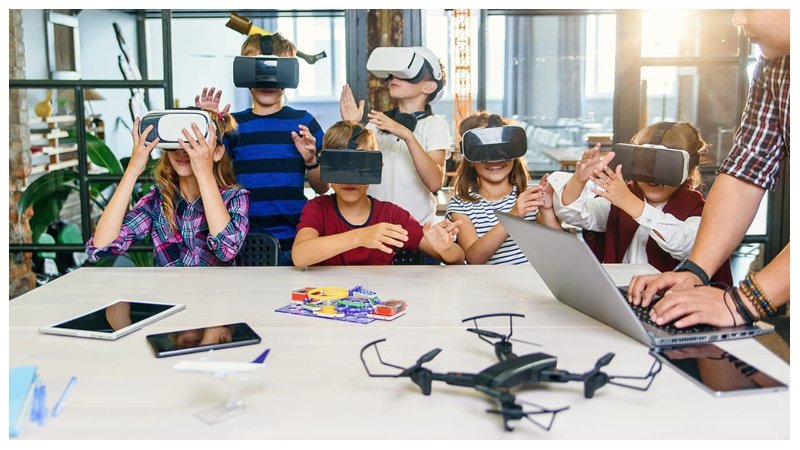
Virtual reality has changed the way people think about digital entertainment. Instead of watching everything through a traditional flat screen, viewers can use immersive technology to feel more connected to a digital environment. VR headsets, spatial audio, high-resolution cameras, and interactive software have created new ways to experience video content from different perspectives. As the technology continues to improve, virtual reality is becoming an increasingly important part of the modern entertainment landscape.
One major reason for this growth is the ability of VR to create a stronger sense of presence. Traditional video places the viewer outside the action, while immersive video can make the environment feel much closer and more realistic. This difference has encouraged creators, publishers, and technology companies to explore new production methods that take advantage of the capabilities of modern VR equipment.
Understanding the Basics of Virtual Reality Video
Virtual reality video is designed to provide a wider field of view than conventional video. Instead of presenting a single fixed frame, many VR formats allow viewers to look around an environment. Depending on the equipment and production method, the viewer may be able to experience a scene from different directions while remaining in the same digital space.
This approach requires specialized cameras and software. Many professional VR productions use multiple camera lenses to capture surrounding environments. The recorded footage is then processed into a format that can be viewed through compatible headsets and platforms.
Resolution is another important factor. High-resolution video can provide sharper details, which becomes particularly noticeable when the viewer is close to the virtual environment. Modern platforms increasingly support formats such as 4K and 8K, giving creators more opportunities to produce detailed immersive experiences.
The technology behind these formats continues to evolve. Better lenses, improved displays, faster processors, and more efficient video compression are helping make VR content smoother and more accessible.
Why Immersive Video Feels Different
The biggest difference between traditional and virtual reality video is the viewer’s relationship with the scene. A conventional video generally controls what appears inside the frame. VR can give viewers more freedom to explore the surrounding environment.
This creates a stronger feeling of presence. When a viewer can turn their head and see different parts of a digital environment, the experience can feel less like watching a recording and more like being placed inside the scene.
Spatial audio can strengthen this effect. Instead of hearing identical sound levels from every direction, immersive audio can create directional cues. A sound coming from one side of the environment can appear to originate from that location, helping the visual and audio elements work together.
These features are useful across many forms of entertainment. Travel experiences, concerts, documentaries, gaming, education, sports, and specialized video platforms can all benefit from immersive presentation.
The Importance of High-Quality Production
Creating good VR content requires more than simply using a VR camera. Production teams need to think carefully about camera placement, lighting, movement, sound, resolution, and editing.
Camera positioning is particularly important because viewers may be able to look in several directions. A poorly positioned camera can make the experience uncomfortable or reduce the sense of immersion.
Lighting also matters. VR cameras capture a large portion of the surrounding environment, so lighting needs to be planned carefully. Excessive contrast, dark areas, or inconsistent lighting can become more noticeable when viewers can look around freely.
Sound should also be considered during production. Spatial audio can help viewers understand their position within a scene and make the environment feel more natural.
Post-production adds another layer of complexity. Multiple camera feeds may need to be stitched together, color corrected, stabilized, and optimized for different devices. The final result needs to balance visual quality with file size and streaming performance.
Choosing the Right VR Viewing Equipment
A good viewing experience depends partly on the hardware being used. VR headsets vary in display resolution, field of view, refresh rate, tracking capabilities, comfort, and processing power.
Display resolution is important because the screen is positioned very close to the viewer’s eyes. A higher-resolution display can reduce visible pixelation and provide greater detail.
Refresh rate is also significant. A higher refresh rate can make movement appear smoother and may contribute to a more comfortable viewing experience.
Comfort should not be overlooked. A headset that feels heavy or poorly balanced can become uncomfortable during longer sessions. Adjustable straps, ergonomic designs, and appropriate weight distribution can make a substantial difference.
The viewing environment matters as well. Users should have enough physical space to move safely and should avoid obstacles while wearing a headset.
Streaming Has Become an Important Part of VR
Large VR video files can require significant storage and bandwidth. Streaming has therefore become an important way for users to access immersive content without downloading enormous files.
Streaming platforms need to optimize video delivery carefully. A high-quality VR video can consume substantially more data than a standard video because the viewer may need access to a much wider visual field.
Adaptive streaming technologies can help address this issue. Instead of delivering the same quality at all times, a platform can adjust the stream based on available bandwidth and device performance.
A stable internet connection remains important for high-resolution immersive video. Users with slower connections may experience buffering, reduced quality, or longer loading times.
As internet infrastructure continues to improve, access to higher-quality immersive video should become easier for more viewers.
Browsing and Organizing VR Content
As the amount of immersive video increases, content discovery becomes increasingly important. A large collection can be difficult to navigate if every video is presented without useful organization.
Platforms can improve the browsing experience through categories, filters, search tools, popularity indicators, and release dates. These features allow users to find content according to their interests without manually reviewing every available option.
For example, a dedicated VR video library can organize immersive videos in a way that makes browsing more convenient. VRSpy’s video section provides filtering and sorting options for its catalog, including options such as latest and most popular content.
Good organization also benefits creators. When content is properly categorized, viewers can discover productions that might otherwise remain hidden within a large catalog.
The Role of Mobile Devices
VR is not limited to expensive desktop computers. Mobile devices have also played a role in making immersive technology more accessible.
Some smartphone-based systems allow users to experience basic VR through compatible accessories. Although these solutions may not offer all the capabilities of advanced standalone headsets, they can provide an introduction to immersive video.
Modern smartphones also have increasingly powerful processors and high-resolution displays. These improvements have helped expand the range of applications available for mobile users.
However, dedicated VR hardware generally provides a more complete experience. Head tracking, display optimization, controllers, and spatial audio can provide features that are difficult to reproduce through a standard smartphone.
VR and the Future of Entertainment
Virtual reality is likely to remain an important area of development for the entertainment industry. As hardware becomes lighter and more affordable, immersive experiences may become accessible to a larger audience.
Content creators are also learning how to use the medium more effectively. Traditional filmmaking techniques do not always translate directly into VR because the viewer has greater control over where they look.
This encourages a different approach to storytelling. Creators need to think about the entire environment rather than only the frame visible to the viewer.
Interactive elements may become increasingly common as well. Future experiences could combine video with real-time environments, artificial intelligence, social interaction, and personalized content.
Mixed reality may further expand these possibilities by combining digital elements with the physical environment. Instead of completely replacing the user’s surroundings, mixed-reality applications can place virtual objects into real-world spaces.
Privacy and Responsible Digital Consumption
As with other forms of online entertainment, responsible digital use is important when accessing VR platforms. Users should understand the privacy policies and terms of service of the services they choose.
Account security is another consideration. Strong passwords, secure connections, and careful management of personal information can help reduce unnecessary risks.
Age restrictions are especially important for platforms that contain mature material. Users should follow applicable laws, platform rules, and age requirements. Parents and guardians should also be aware of the content and services accessible through devices used by minors.
VR can be highly immersive, so taking regular breaks is sensible. Extended headset use can cause eye strain, discomfort, dizziness, or fatigue for some people. If discomfort occurs, removing the headset and taking a break can help.
A safe physical environment is equally important. Users should make sure there is sufficient space around them and avoid using a headset in locations where movement could create a safety hazard.
How Better Technology Improves User Experience
The quality of a VR experience depends on several technologies working together. Better displays improve visual clarity, advanced processors handle complex graphics, and improved tracking systems allow virtual environments to respond accurately to head movement.
Video compression is another area receiving attention. Efficient compression can reduce the amount of data required while preserving visual quality.
Cloud technology may also influence the future of VR. Processing and content delivery can increasingly be handled through remote infrastructure, potentially reducing the hardware requirements for some applications.
Artificial intelligence could contribute as well. AI-assisted production tools may help creators organize footage, improve image quality, generate environments, or streamline editing processes.
These developments are not happening independently. Improvements in hardware, software, connectivity, and content production reinforce one another and help create better immersive experiences.
The Growing Importance of User-Friendly Platforms
Technology alone does not guarantee a good entertainment experience. Users also need platforms that are easy to navigate.
A well-designed interface should make it simple to search, filter, preview, and organize content. Clear descriptions and useful categories can reduce the time required to find something relevant.
Performance is equally important. Slow pages, complicated navigation, or frequent interruptions can reduce the benefits of high-quality VR content.
As competition grows within the immersive entertainment market, platforms have greater incentives to improve usability and accessibility.
What the Future May Bring
The future of VR entertainment will likely involve greater realism, improved accessibility, and more interactive experiences. Headsets may become smaller and lighter, while displays could provide higher resolution and wider fields of view.
Wireless technology will also remain important. Reducing cables can make VR systems easier to use and give users greater freedom of movement.
Social VR may become another significant area of development. Instead of experiencing digital content alone, users could participate in shared virtual environments with other people.
At the same time, creators will continue experimenting with storytelling methods specifically designed for immersive environments. The result could be new forms of entertainment that are difficult to reproduce through conventional screens.
Conclusion
Virtual reality is changing digital entertainment by giving viewers a more immersive relationship with video and digital environments. Improvements in cameras, displays, spatial audio, streaming, and processing technology have helped make VR experiences more detailed and accessible.
The future of immersive entertainment will depend on both technological progress and creative development. Better hardware can improve realism, while thoughtful production and intuitive platforms can make content easier and more enjoyable to explore.
As the industry develops, users will have access to increasingly sophisticated ways of experiencing digital media. Whether through specialized headsets, mobile devices, streaming platforms, or emerging mixed-reality systems, virtual reality is becoming an increasingly important part of the broader digital entertainment ecosystem.