
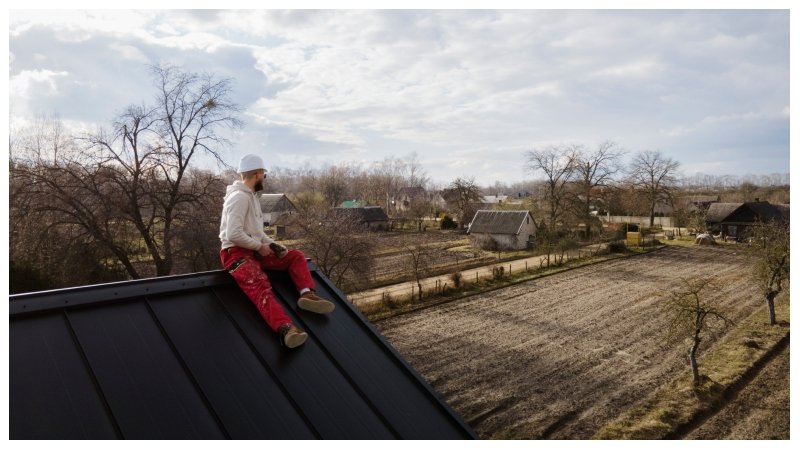
A roof puncture can seem minor at first. It may be nothing more than a small hole, a torn section, or a spot where the surface has been pushed in. But that kind of damage has a way of growing into something more serious because a roof depends on every layer working together. Once one part is broken, water can move below the surface and into materials that are much harder to inspect from the ground. That is one reason roof repair eagle mountain is often less about the visible hole and more about what happened underneath it.
Many homeowners assume roof trouble starts with something obvious, like missing shingles or water dripping during a storm. But punctures often begin with one small incident. A branch can fall, a tool can be dropped during maintenance, or someone walking on the roof can step on a weak spot. The damage may not look like much at first, but even a small opening can break the surface that is supposed to keep water out and move it off the roof.
How It Starts
Roof punctures often start with a direct impact. A falling limb is one of the most common causes, especially after a storm. Wind can also send branches or other debris onto the roof with enough force to crack shingles or punch into worn areas. Not every puncture is tied to bad weather, though. Sometimes the damage occurs during routine work when someone steps onto a weak section without realizing it or applies pressure to an area that is already starting to give way.
The roof’s age makes a difference, too. As roofing materials wear down, they lose some of their strength and flexibility. A roof that once could handle a minor impact may be much more likely to split or tear later on. That is one reason punctures can be misleading. The damaged spot may look small from the outside, but the surrounding material may already be fragile.
Why Small Damage Matters
A puncture does not have to look dramatic to cause trouble. Even a small opening can let water seep beneath the roof surface. Since the roof is meant to keep water moving off the house, any break in that outer layer creates a weak point.
Once moisture gets through, it can spread farther than most homeowners expect. It may soak the underlayment, reach the wood beneath, and travel before anything shows up inside. That is why a ceiling stain does not always appear directly under the damaged area. Water often moves along joints or framing before it becomes visible.
By the time there is a clear sign indoors, the problem may already extend beyond the top layer of the roof. A stain on the ceiling or a damp odor in the attic may be the first thing someone notices, but moisture could already be affecting the materials underneath.
What It Can Lead To
One of the first concerns is deck damage. If water reaches the wood below the roofing material and stays there long enough, the wood can soften and weaken. That does not usually happen overnight, but repeated exposure to moisture can gradually affect the structure supporting the roof.
Insulation can also suffer. Wet insulation does not perform as it should, and once it holds moisture, it can remain damp longer than many people realize. That can affect indoor comfort and make it harder for the area to dry out fully.
Mold is another concern. A puncture creates conditions where trapped moisture can linger in dark, enclosed spaces. When that happens, mold growth becomes more likely, especially if the problem goes unnoticed for too long.
Fasteners and nearby roofing materials can also be affected. Nails may loosen as the surrounding material softens. Shingles near the damaged area may start to shift. Flashing around transitions may become more vulnerable if water begins moving where it was never supposed to go. What started as a single puncture can slowly become a broader repair when the surrounding area stops functioning as it should.
What Makes It Worse
Puncture damage can get worse faster when the roof already has worn or vulnerable areas. Poor drainage, old sealant, damaged flashing, and brittle shingles can all make it easier for water to move past the original opening. A roof might seem fine in mild weather, then start showing clear signs of failure during a storm when that damaged spot can no longer keep water out.
Timing matters too. When a puncture is repaired early, the fix is often more limited. When it is left exposed to repeated rain, heat, and shifting temperatures, the damage can spread into nearby materials. What starts as a small surface issue may end up involving the decking, insulation, or other parts of the roof around it.
That is why roof repair in Eagle Mountain is often about timing as much as severity. The sooner the puncture is found and evaluated, the better the chance of keeping the repair contained.
Conclusion
Roof punctures are easy to dismiss because they often begin with a single small impact and leave very little visible evidence. The trouble is that roofs are layered systems, and once one layer is broken, the damage rarely stays in one place. Moisture can move into the deck, insulation, and nearby materials long before the full problem is obvious from inside the home.
A careful inspection matters because it helps distinguish the small surface mark from the bigger issue it may be causing beneath the surface. When puncture damage is caught early, repairs are usually more direct and far less disruptive. When it is ignored, that same small opening can lead to moisture spread, material breakdown, and a much wider repair than anyone expected.