
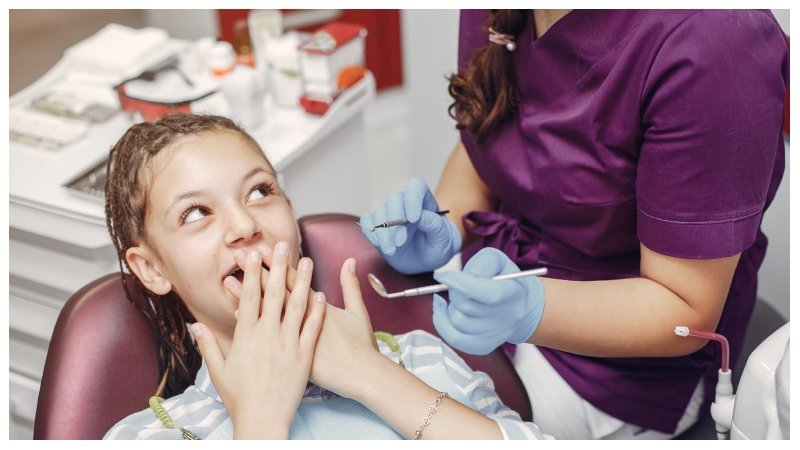
The teenage years are often associated with growth spurts, increased independence, and evolving routines. Despite the focus on academics, social development, and extracurricular activities, one critical area often receives little attention: oral health. Establishing strong dental habits during adolescence not only maintains a bright smile but also significantly contributes to long-term health, confidence, and overall well-being.
A Critical Window for Lifelong Oral Health
During adolescence, primary teeth give way to permanent ones, marking a transitional phase. These adult teeth are meant to last a lifetime, making this stage especially important for reinforcing positive oral hygiene habits.
At the same time, teens are gaining autonomy over their daily routines. This independence can lead to inconsistent brushing, skipped flossing, and increased consumption of sugary or acidic foods and beverages. Without proper guidance and discipline, these habits can set the stage for long-term dental issues such as cavities, gum disease, and enamel erosion.
Increased Risk Factors During the Teenage Years
Teenagers face unique challenges that make oral health more complex compared to earlier childhood stages.
1. Dietary Choices and Snacking Habits
Teens often gravitate toward convenience foods—chips, candies, sodas, and energy drinks. These items are typically high in sugar and acids, both of which contribute to tooth decay. Frequent snacking also reduces the time saliva has to neutralize acids, increasing the risk of enamel damage.
2. Orthodontic Treatment
Many teenagers undergo orthodontic treatment during this stage, whether through braces or clear aligners. While these treatments improve alignment and bite function, they also create additional surfaces where food particles and plaque can accumulate. This makes consistent cleaning even more critical.
For families navigating orthodontic care, consulting experienced providers such as Kumra Orthodontics can offer valuable insights into maintaining oral hygiene throughout treatment.
3. Hormonal Changes and Gum Sensitivity
Hormonal fluctuations during puberty can increase blood flow to the gums, making them more sensitive and prone to inflammation. This condition, often referred to as puberty gingivitis, can cause swelling, redness, and bleeding if not managed properly.
The Long-Term Consequences of Poor Oral Habits
The impact of poor oral hygiene during adolescence goes far beyond temporary issues like bad breath or occasional cavities.
Dental Health Complications
Neglecting oral care can lead to persistent plaque buildup, which hardens into tartar. Over time, this can result in gum disease, tooth decay, and even tooth loss if left untreated.
Financial and Treatment Burden
Correcting advanced dental issues often requires more invasive and costly procedures, such as fillings, root canals, or periodontal treatments. Preventive care during the teenage years significantly reduces the likelihood of these interventions later in life.
Impact on Confidence and Social Development
Teenagers are particularly sensitive to their appearance and peer perception. Issues like visible decay, stained teeth, or bad breath can affect self-esteem and social interactions, potentially influencing their overall confidence during formative years.
Building Strong Oral Health Habits Early
The good news is that adolescence is also the ideal time to establish routines that can last a lifetime. With the right approach, teens can take ownership of their oral health and prevent future complications.
1. Consistent Brushing and Flossing
Teens should brush their teeth at least twice a day using fluoride toothpaste and floss daily to remove plaque from between teeth. For those with braces, specialized tools like interdental brushes or water flossers can be particularly effective.
2. Smart Dietary Choices
Encouraging a balanced diet that limits sugary snacks and beverages can significantly reduce the risk of cavities. Drinking water instead of soda and choosing whole foods over processed snacks can make a meaningful difference.
3. Regular Dental Checkups
Routine dental visits every six months allow for early detection of potential issues and professional cleaning to remove plaque and tartar buildup. These appointments also reinforce the importance of maintaining beneficial habits.
4. Education and Accountability
Parents and caregivers still play a crucial role during the teenage years. Open conversations about oral health, combined with gentle reminders and guidance, can help teens stay consistent with their routines.
The Role of Orthodontics in Teen Oral Health
Orthodontic treatment is not just about achieving a straighter smile—it also contributes to better oral health overall. Properly aligned teeth are easier to clean, reducing the risk of plaque accumulation and gum disease.
Additionally, correcting bite issues can improve chewing efficiency and reduce strain on the jaw. However, the success of orthodontic treatment heavily depends on the patient’s commitment to maintaining excellent oral hygiene throughout the process.
Practical Tips for Busy Teen Schedules
Teenagers often juggle school, sports, social activities, and part-time jobs, which can make it challenging to prioritize oral care. Here are a few practical strategies:
- Keep a travel-sized toothbrush and toothpaste for use during the day
- Set reminders on their phone for brushing and flossing
- Use mouthwash as a supplementary step when brushing isn’t immediately possible
- Choose sugar-free gum to stimulate saliva production after meals
These small adjustments can help maintain consistency even with a packed schedule.
A Foundation for Lifelong Health
Oral health is closely linked to overall health. Research has shown connections between gum disease and systemic conditions such as heart disease and diabetes. By developing strong oral hygiene habits during adolescence, teens are protecting their teeth and gums and supporting their long-term well-being.
The teenage years are a pivotal period for establishing routines that can shape future health outcomes. With the right guidance, education, and consistency, teens can build habits that last well into adulthood.
Ultimately, investing in oral health during this stage is not just about preventing problems—it’s about setting the foundation for a healthier, more confident future.